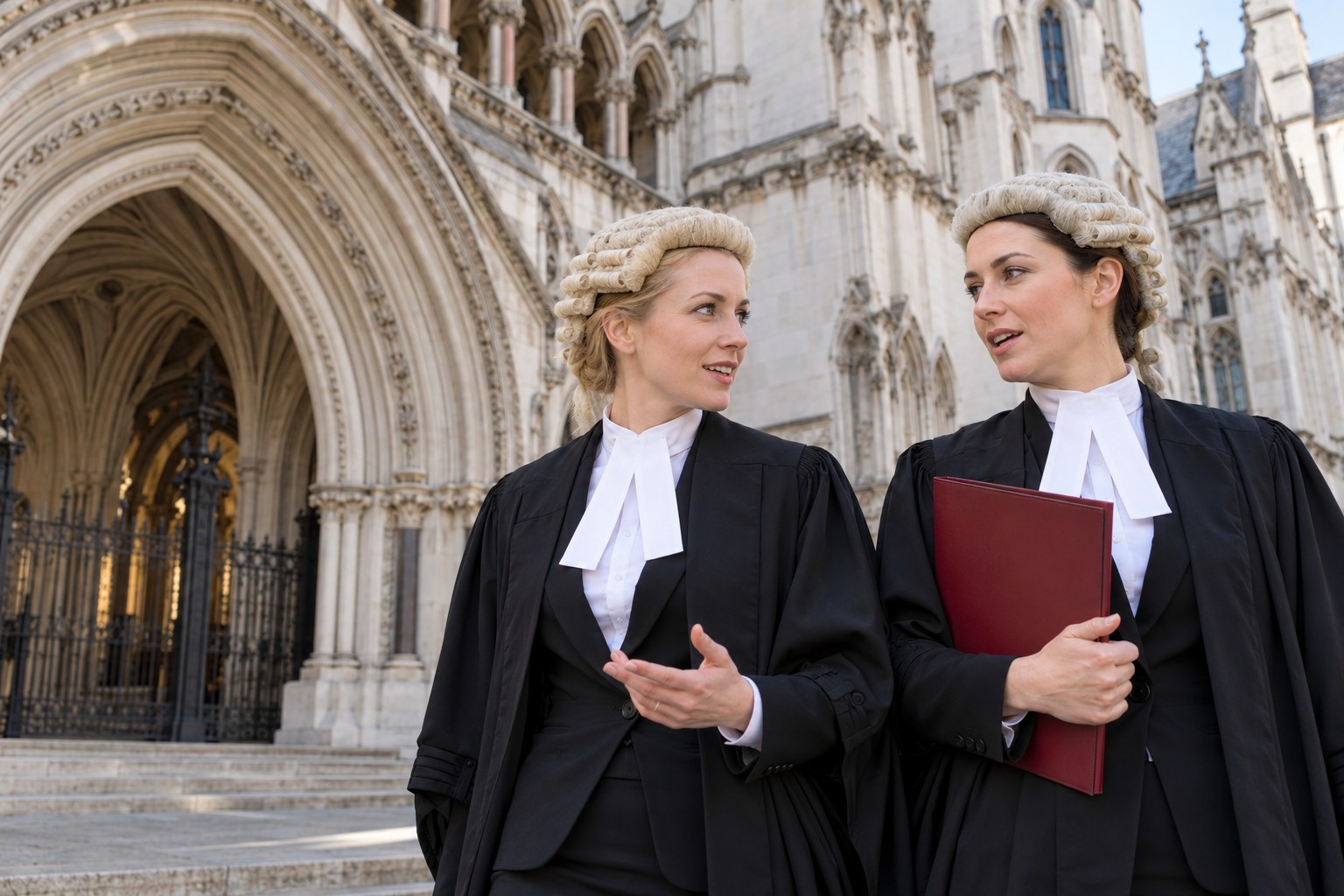
A legal perspective for York.
Local understanding, connected to the law that governs your matter.

York. In context.
York combines its Minster and historic city with universities, rail-related and professional services, visitor businesses and residential neighbourhoods. City of York Council is the unitary principal authority and is distinct from North Yorkshire Council. Regional combined-authority arrangements have their own functions. A York postal or marketing description therefore needs to be connected to the actual site and authority boundary, particularly where a project extends into the surrounding area or involves a wider regional organisation.
Legal preparation can connect historic-building and development records, river-related site enquiries, commercial occupation, employment and household services. York’s adopted Local Plan and its published corrections should be distinguished from earlier draft material. Court and tribunal arrangements depend on the case, with civil and family information separate from criminal routes. Jurisiti connects the English national framework with these local records, helping organise the facts, deadlines and documents needed to establish the scope and authority of professional assistance for an individual instruction.
48 legal fields in York.
Civil litigation & court representation
A clear approach to civil claims, evidence, procedure and coordination of appropriately authorised court representation.
02 / Business & financeCommercial contracts & agreements
Commercial agreements that connect the legal terms with how your business actually operates.
03 / Business & financeCompany law & corporate governance
Corporate structures, governance and company records that support sound business decisions.
04 / Business & financeMergers, acquisitions & due diligence
Transaction preparation, due diligence and implementation across company, contract and regulatory requirements.
05 / Disputes & advocacyDomestic & international arbitration
Domestic and international arbitration support, from the dispute clause to hearings and award enforcement.
06 / Disputes & advocacyMediation & negotiated settlements
Structured settlement discussions that bring interests, evidence and workable terms into focus.
07 / Disputes & advocacyDebt recovery & payment disputes
A documented approach to unpaid invoices, disputed balances, recovery routes and commercial settlement.
08 / Disputes & advocacyJudgment recognition & enforcement
Recognition and enforcement analysis that connects a decision with the debtor, assets and appropriate procedure.
09 / Business & financeEmployment, equality & workplace disputes
Workplace advice covering contracts, equality, organisational change and employment disputes.
10 / Property & projectsResidential conveyancing & property
Residential property work informed by title, searches, funding, occupation and the correct national system.
11 / Property & projectsCommercial property & business premises
Legal support for business premises, property transactions, occupation and investment.
12 / Property & projectsLandlord, tenant & lease disputes
Advice on tenancy and lease obligations, repairs, notices, possession and negotiated resolutions.
13 / People & familiesHousing, homelessness & council duties
Understanding housing decisions, homelessness duties, accommodation issues and available review routes.
14 / Property & projectsPlanning, development & heritage
Development, land use and heritage questions grounded in the correct planning authority and operative policy.
15 / Property & projectsConstruction & engineering disputes
Construction agreements and disputes built around scope, programme, payment and reliable project records.
16 / Business & financePublic procurement & government contracts
Public-contract advice that separates tender requirements, award challenges and contract performance.
17 / Business & financeCompetition & consumer rights
Competition and consumer analysis for transactions, market conduct, terms, sales practices and customer disputes.
18 / Business & financeInsolvency, bankruptcy & restructuring
A practical assessment of financial distress, creditor interests and formal or negotiated restructuring options.
19 / Business & financeBanking, lending & financial services
Financial transactions and disputes approached through contractual rights, regulatory scope and enforceable security.
20 / Disputes & advocacyInsurance & coverage disputes
Coverage, disclosure, claims and broker issues assessed against the full policy and evidence of loss.
21 / Business & financeTax law, business rates & revenue disputes
Tax and revenue disputes that distinguish national taxes from devolved and local charging regimes.
22 / People & familiesImmigration, nationality & business mobility
Immigration and nationality matters prepared around the applicable route, evidence, status and decision.
23 / Technology & informationData protection & privacy
Data-governance and privacy work that connects legal duties with real processing and security arrangements.
24 / Technology & informationIntellectual property & brand protection
Protecting and using brands, inventions, designs and creative work with clear ownership and territorial scope.
25 / Technology & informationTechnology, AI & digital contracts
Contracts and governance for digital services, AI deployment, software development and technology procurement.
26 / Disputes & advocacyCriminal law & defence
Careful preparation and coordination with appropriately authorised criminal defence professionals.
27 / Disputes & advocacyRoad traffic, transport & motoring law
Motoring, transport and road-traffic matters assessed against the allegation, evidence and relevant procedure.
28 / People & familiesFamily law, children & relationship breakdown
Family and children matters handled with attention to relationships, welfare, finances and the correct jurisdiction.
29 / People & familiesWills, trusts, probate & succession
Wills, trusts and estate administration that reflect family circumstances, assets and the applicable succession law.
30 / People & familiesMental capacity, care & decision-making
Decision-making, care and protective arrangements informed by the person’s circumstances and national law.
31 / People & familiesPersonal injury & accident claims
Injury claims prepared through liability evidence, medical information and a reasoned assessment of loss.
32 / People & familiesClinical negligence & patient claims
Patient claims that distinguish an adverse outcome from the evidence required to establish legal responsibility.
33 / Disputes & advocacyProfessional negligence & liability
Professional-liability claims assessed through the retainer, standard of work, causation and recoverable loss.
34 / Disputes & advocacyPublic law, judicial review & human rights
Public decisions, judicial review and human-rights issues approached through the decision, powers and remedy.
35 / Property & projectsEnvironmental law & regulation
Environmental duties, permissions and disputes connected to the project, activity and responsible regulator.
36 / Property & projectsEnergy, infrastructure & utilities
Energy and infrastructure projects considered across regulation, land, contracts, investment and environmental controls.
37 / Property & projectsAgriculture, rural land & food businesses
Rural land, farming and food-business advice that connects occupation, regulation and commercial arrangements.
38 / People & familiesEducation, additional needs & institutions
Education decisions and institutional obligations assessed within the correct national and local framework.
39 / People & familiesHealthcare, life sciences & professional regulation
Healthcare and life-sciences advice across licensing, professional duties, governance and contractual arrangements.
40 / Business & financeCharities, nonprofits & governance
Charity and nonprofit structures, governance and transactions assessed against the relevant regulatory regime.
41 / Property & projectsLicensing, hospitality & regulated premises
Licensing for premises, hospitality and regulated activity grounded in the competent authority and applicable regime.
42 / Disputes & advocacyLegal notices & pre-action correspondence
Formal correspondence designed around the legal purpose, required content, recipient and method of service.
43 / Business & financeLegal drafting & document review
Clear legal documents that connect instructions, commercial or personal objectives and enforceable obligations.
44 / Disputes & advocacyLegal research & written opinions
Focused legal research that distinguishes jurisdiction, current legislation, case law and the question to be answered.
45 / Business & financeInternational trade, customs & sanctions
Trade contracts, customs, sanctions and cross-border obligations aligned with the route and actual transaction.
46 / Technology & informationCybersecurity & incident response
Incident response and cyber-risk work coordinated around evidence, legal duties and operational recovery.
47 / Technology & informationTelecommunications & digital infrastructure
Communications projects and disputes connecting provider duties, infrastructure rights and local permissions.
48 / Business & financeFinancial crime, AML & compliance
Financial-crime compliance built around the activity, risk assessment, supervisory scope and documented decisions.
The detail behind the location.
Planning and the local development context
York adopted its Local Plan in February 2025 and has published corrections through subsequent officer decisions. Use the current adopted document and policies map rather than an old draft. Historic-building, archaeology, access and site conditions may all require attention. A plan allocation does not itself grant permission, so compare the application decision, title and building-control position with the proposed works.
- Identify the site and competent planning authority.
- Read the decision, approved plans and conditions together.
- Check heritage controls, consultation dates and review routes.
Official local source 2 ↗
Housing and local-authority records
York housing files may involve private renting, shared student accommodation, social housing or homelessness assistance. Establish the landlord, tenure and actual occupiers, together with current property-licensing requirements where relevant. A visitor or university connection does not determine the legal occupation model. Keep notices, repair reports and payment records, separating a council allocation decision from a dispute with a private landlord.
- Identify the tenure, landlord and actual occupiers.
- Keep notices, payment records and repair evidence.
- Check the applicable housing authority and review deadline.
Licensing and premises decisions
York hospitality, entertainment and visitor businesses should check the relevant council licence against the operator, premises plan, hours and actual activities. Historic or pedestrianised settings can add practical access and operating questions without replacing the licence conditions. Planning and lease consent remain separate. Keep applications and decisions together when changing ownership, using outside space or proposing a temporary event.
- List the activities, hours and proposed operator.
- Check each licence against the premises and planning status.
- Preserve application, objection and decision dates.
Local public decisions and accountability
A York public decision may be made by City of York Council, a combined authority, university, health body or another organisation. North Yorkshire Council is a separate principal authority. Identify the actual decision-maker, statutory power and written reasons before directing a challenge. A regional strategy or consultation should be distinguished from an operative individual decision with its own appeal or review period.
- Identify the body that made the decision.
- Obtain the reasons, policy and delegated authority.
- Check statutory review routes and time limits promptly.
Workplace and local employment context
York employment may involve rail-related organisations, universities, tourism and professional services with duties across several sites. Establish the employing entity, workplace and real role, including any project funding or contractor relationship. Keep terms, pay, rosters and policies. A city-based institution’s involvement does not determine employment responsibility where a separate company, agency or collaborative venture is involved.
- Confirm the employer and contractual workplace.
- Keep dated contracts, pay records and relevant correspondence.
- Identify the correct tribunal and conciliation requirements.
Property, title and local land information
A York conveyancing or lease file should reconcile title, access and survey evidence with heritage, planning and management records. Historic-centre and river-related properties can require focused enquiries without proving a defect or restriction. Shared repairs, services and permitted use should be checked carefully. Contracts should allocate consent, insurance, fit-out and compliance responsibilities before completion or expenditure is committed.
- Check the registered title, boundaries and access rights.
- Read the lease, repair obligations and use restrictions.
- Reconcile legal documents with surveys and approvals.
Local business and operating context
York commercial contracts may involve visitor services, research, rail-sector work and regional professional customers. Identify the legal counterparties, performance locations and ownership of any commissioned work. Council business information can support premises and permission enquiries. The agreement should define quality, acceptance, payment and dispute arrangements, particularly where a university, public body and private supplier share responsibilities within a project.
- Identify the contracting and operating legal entities.
- Check premises, permissions, insurance and payment terms.
- Document authority, deliverables and dispute arrangements.
Education and local decision-making
York school matters should identify City of York Council’s education function and the relevant school or academy governance. North Yorkshire’s separate authority should not be assumed responsible from the wider regional name. Admissions, special educational needs and transport require distinct records. Keep applications, assessments and written decisions, while university and independent-provider disputes may follow different institutional and contractual routes.
- Identify the school or college and decision-maker.
- Keep the application, decision and relevant support records.
- Check the applicable statutory challenge and deadline.
Care, health and personal decision records
York care enquiries may involve City of York Council services, NHS organisations and independent providers, with regional connections that need individual checking. Identify who assessed need, commissioned support and decided a charge or change. Keep care plans, reviews and consent records securely. The person’s current address does not always resolve ordinary-residence or funding responsibility without examination of the relevant circumstances.
- Identify the responsible care or health body.
- Request the assessment, care plan and written decision.
- Preserve consent, capacity and review information securely.
Environmental and place-based considerations
York’s rivers and historic urban setting make flood, drainage and environmental records relevant to some transactions and projects. Individual risk should be checked through official mapping and site evidence. Council environmental-health and national regulatory roles are distinct. Establish the activity, operator and conditions before assessing a noise, waste or construction issue rather than relying on a general description of the neighbourhood.
- Check the site, activity and responsible regulator.
- Retain surveys, monitoring records and permit conditions.
- Distinguish a complaint from an appeal or enforcement response.
Transport, streets and local access
York transport and access matters can involve city roads, pedestrian or vehicle restrictions, regional transport arrangements, rail operators and private land. Identify the authority or operator responsible for the precise issue. A visitor route does not establish a legal vehicle access right to premises. Keep notices, signs, plans and service records to distinguish enforcement, contractual and property-access questions.
- Identify the road, operator and enforcing authority.
- Keep the notice, route evidence and relevant photographs.
- Check restrictions, exemptions and the correct challenge route.
Courts, procedure and hearing arrangements
York County Court and Family Court provides an official civil and family reference, while Crown, magistrates and specialist tribunal matters follow different routes. Check current HMCTS instructions and the allocated case before filing or travelling. A York address does not guarantee a local hearing. Existing orders, service requirements and accessibility needs should guide the preparation of documents and representation.
- Identify the case type, jurisdiction and existing order.
- Check the current filing channel and allocated hearing venue.
- Confirm representation, deadlines and accessibility needs.
Courts & procedure
York County Court and Family Court
Check the current HMCTS directory, applicable procedure and case allocation. Filing and hearing locations can differ, and city residence does not guarantee a particular venue.
Check court information ↗Explore the sources
Read the national framework and the local information in context, including current amendments, commencement and the precise site or decision.
York legal-source index ↗Your next chapter.
Let’s make it clear.
Tell us where your matter connects, what has happened and what you need to achieve.